Top Tips for a Pest-Free Home in Fall
As the temperatures drop and the leaves start to fall, pests begin looking for warmth, shelter, and easy access to food. Unfortunately, your home provides all three. From rodents sneaking through tiny gaps to spiders weaving webs in dark corners, fall is prime time for pest invasions.
At Hagen Environmental, we know how disruptive and unsettling pest problems can be – especially when you’re trying to enjoy cozy autumn evenings with your family. In this blog post, we will break down the most common fall pests, the risks they pose, and the proven strategies you can use to keep your home pest-free all season long.
Why Fall Brings More Pests Indoors
Pests are opportunists. As the weather cools, they instinctively search for safe places to overwinter or stay active through the colder months. Your home, with its stable temperature, food sources, and protection from the elements, is an irresistible target.
Key reasons pests invade homes in the fall:
Temperature Drops
As temperatures fall, rodents and insects naturally seek warmth indoors. Homes provide consistent heat and cozy hiding spots, making it easy for pests like mice, spiders, and insects to settle in for the season.
Food Scarcity
As outdoor food sources become scarce with falling leaves and frost, pests turn to your home for kitchen crumbs, stored goods, and pet food. This readily available nourishment encourages them to linger and reproduce, increasing the risk of infestation.
Nesting Shelter
Attics, basements, crawl spaces, and garages offer quiet places for pests to nest and breed. These protected areas allow them to reproduce safely away from predators and harsh weather, eventually expanding into living areas if left unchecked.
Knowing which pests are most likely to enter your home in the fall is the first step to prevention.

Common Fall Pests to Watch For
1. Rodents (Mice and Rats)
Rodents are one of the biggest fall invaders. A mouse can squeeze through a hole the size of a dime, while rats need only a quarter-sized opening. Once inside, they gnaw on wires, insulation, and even structural wood. They also contaminate food and surfaces with droppings that can spread harmful bacteria.
Warning signs: Droppings, gnaw marks, scratching noises in walls or ceilings, and nests made of shredded material.
2. Spiders
While many spiders are harmless and even beneficial because they feed on other insects, they’re not welcome houseguests. In the fall, species like house spiders and wolf spiders often find their way indoors. Basements, attics, and storage areas are common hiding spots.
Warning signs: Webs in corners, basements, or storage spaces; occasional sightings of larger spiders roaming indoors.
3. Ants
Ant activity typically slows in colder months, but some species – like pavement ants – can remain active indoors year-round. Kitchens and pantries are prime targets, and infestations can grow quickly if not addressed.
Warning signs: Trails of ants near food, water sources, or baseboards.
4. Cockroaches
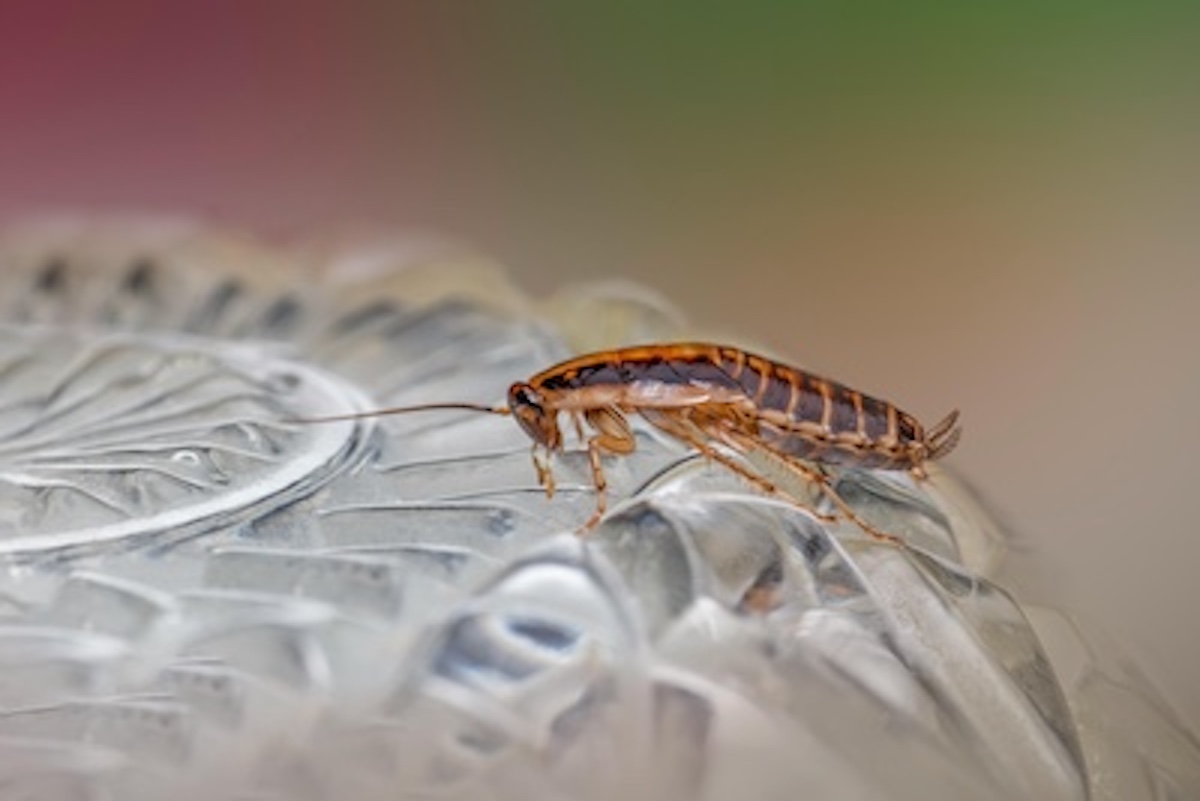
Cockroaches thrive in warm, damp environments and are notorious for spreading allergens and bacteria. Fall is a high-risk season as they seek shelter indoors.
Warning signs: Droppings resembling pepper flakes, musty odors, egg cases, and sightings at night.
5. Occasional Invaders
Fall also brings an influx of pests known as “occasional invaders.” These include stink bugs, boxelder bugs, lady beetles, and silverfish. While not as harmful as rodents or roaches, they’re still a nuisance, often showing up in large numbers.
Warning signs: Clusters of insects on sunny exterior walls, near windows, or inside entryways.
Health and Property Risks of Fall Pests
Pests aren’t just annoying; they carry real risks:
Rodents
Rodents spread diseases like hantavirus, salmonella, and leptospirosis, and their gnawing can cause electrical fires. They reproduce quickly, meaning a small problem can turn into a full infestation in a matter of weeks.
Their droppings and urine also contaminate food, surfaces, and stored items, creating health hazards for everyone in the home.
Cockroaches
Cockroaches trigger asthma and allergies, especially in children, and they can contaminate food and utensils with bacteria. They reproduce rapidly and hide in small cracks, making them difficult to eliminate once established.
Even a few cockroaches can create persistent health issues and leave behind allergens that linger long after the insects are gone.
Spiders
Spiders may bite if threatened, though most bites are mild, causing minor irritation or itching. Larger species can deliver more painful bites, and their presence can create stress or fear for household members. While beneficial in controlling other insects, unchecked spider populations can become a nuisance when they settle in living spaces.
Ants and Occasional Invaders
Ants and occasional invaders like stink bugs, lady beetles, and silverfish don’t usually spread disease, but they contaminate food and can create stress for homeowners.
Large numbers can make a home feel unclean and may damage fabrics, paper, or stored food. Their persistent presence often leads to frustration and increased effort to keep them out.
Protecting your home isn’t just about comfort; it’s about safeguarding your health and investment. Early prevention and consistent maintenance reduce the risk of infestations, property damage, and health issues. Taking proactive steps ensures a safer, cleaner, and more enjoyable environment for your family throughout the fall season.

Fall Pest Prevention Tips That Work
1. Seal Entry Points
Rodents and insects don’t need much space to get inside. Inspect your home for gaps around windows, doors, pipes, and vents. Seal openings with caulk, steel wool, or weatherstripping. Don’t forget the attic and foundation, where many pests sneak in undetected.
2. Manage Food and Waste
Pests are drawn to easy meals. Store food in airtight containers, wipe down counters, and vacuum regularly. Keep pet food sealed and avoid leaving it out overnight. Take out the trash frequently and ensure bins have tight-fitting lids.
3. Reduce Moisture
Many pests—including cockroaches, ants, and silverfish—thrive in damp conditions. Fix leaky faucets, unclog gutters, and run dehumidifiers in basements and crawl spaces. Proper ventilation in kitchens and bathrooms also helps reduce humidity.
4. Declutter Storage Areas
Cardboard boxes, paper stacks, and cluttered basements provide perfect nesting spots. Store items in plastic bins with secure lids, and keep storage areas tidy. Rotate seasonal clothing and decorations to prevent pests from settling in undisturbed spaces.
5. Keep the Exterior Clear
Trim shrubs and trees away from your home to reduce breeding sites for pests. Store firewood at least 20 feet from the house and elevate it off the ground. Rake leaves and yard debris where insects and rodents like to hide.
6. Use Screens and Barriers
Install or repair screens on windows, doors, and vents. Door sweeps are especially effective at blocking crawling insects and rodents. For chimneys, consider mesh covers that prevent wildlife entry.
7. Regular Inspections
Even with preventive steps, some pests will find their way inside. Scheduling regular inspections with a pest control professional ensures small problems don’t turn into major infestations.
Why Professional Pest Control Makes a Difference
DIY solutions – like sprays and traps – may offer temporary relief but rarely address the root cause. Professional pest control provides:
- Accurate identification of pests and their entry points.
- Targeted treatments that minimize chemical use and maximize effectiveness.
- Long-term prevention strategies tailored to your property.
- Peace of mind knowing your home is protected year-round.
At Hagen Environmental, we specialize in eco-friendly pest management that prioritizes both safety and results. Our team uses proven, non-toxic methods whenever possible, focusing on prevention, exclusion, and sustainable control.
Protect Your Home This Fall with Hagen Environmental
Fall should be about crisp mornings, pumpkin spice, and cozy nights; not rodents in your attic or spiders in your basement. The best way to keep your home pest-free is to combine smart prevention with professional support when needed.
At Hagen Environmental, we offer tailored pest control solutions designed to protect your home without compromising your health or the environment. From inspections and exclusion strategies to eco-friendly treatments, our team works with you to ensure long-lasting protection all season long.
Don’t let pests take the comfort out of your fall. Contact our team today to schedule an inspection and discover how our safe, sustainable approach can keep your home secure and pest-free year-round!