Eco-Friendly Pest Control: Protect Your Home, Family, and Pets Safely
As late summer fades and Florida moves into the milder fall months, many homeowners start to notice an increase in pest activity. While other regions experience cooler weather and falling leaves, Florida’s warm, humid climate allows pests like rodents, spiders, ants, and cockroaches to remain active nearly year-round. These pests begin seeking out stable environments with food, moisture, and shelter – and unfortunately, your home offers all three.
It might be tempting to grab a can of chemical spray or set out harsh traps, but those quick fixes often cause more harm than good. Many store-bought pest control products contain toxic ingredients that can endanger your family, pets, and the environment.
The good news is that there’s a safer, more sustainable way to handle unwanted guests. Eco-friendly pest control focuses on prevention, natural repellents, and environmentally responsible treatments that target infestations at their source.
With the right approach, you can keep your home pest-free this fall without sacrificing the health of your loved ones or the planet.
Why Pests Invade in the Fall
Even though Florida doesn’t experience a dramatic drop in temperatures, seasonal shifts still encourage pests to move indoors. As rainfall patterns change and nights grow cooler, insects and rodents begin searching for more stable conditions and your home becomes a prime target.
Temperature and Humidity Changes
In Florida, pests thrive on warmth and moisture. When outdoor conditions fluctuate or heavy rains flood nesting areas, pests such as ants, roaches, and rodents look for drier, temperature-controlled environments indoors. Small cracks around windows, vents, and foundations make for easy entry points, allowing infestations to begin quietly and expand quickly.
Changing Food Sources
As natural food sources decline in late summer and early fall, many pests shift their focus to what’s available indoors — crumbs in the kitchen, pet food, or improperly stored pantry goods. Even minor spills or open containers can attract insects and rodents looking for consistent nourishment. Keeping food sealed and surfaces clean is one of the most effective ways to deter them.
Shelter and Nesting Areas
Pests are drawn to quiet, undisturbed areas where they can safely hide and breed. In Florida homes, that often means garages, attics, storage rooms, and behind appliances. Clutter, cardboard boxes, and insulation make perfect nesting materials, allowing populations to grow unnoticed until the problem becomes significant. Regular cleaning, organizing, and inspecting these spaces can go a long way in prevention.

Common Fall Pests to Watch For
Rodents
Mice and rats are among the most common home invaders. They can squeeze through openings as small as a dime and quickly establish nests. Beyond property damage, rodents pose serious health risks by spreading diseases such as salmonella and hantavirus. They also gnaw on electrical wiring, creating potential fire hazards.
Spiders
While most spiders are harmless and even helpful in controlling other pests, they can still cause fear and discomfort. Cooler weather often drives them indoors in search of insects to feed on. Regular dusting, vacuuming, and sealing gaps around windows and doors can discourage them from settling inside.
Ants
Ants may seem like a summer problem, but many species continue searching for food and shelter in the fall. They’re attracted to moisture and sugary substances, which means bathrooms, kitchens, and basements are common entry points. Once they establish a trail, it can be difficult to get rid of them without targeted treatment.
Cockroaches
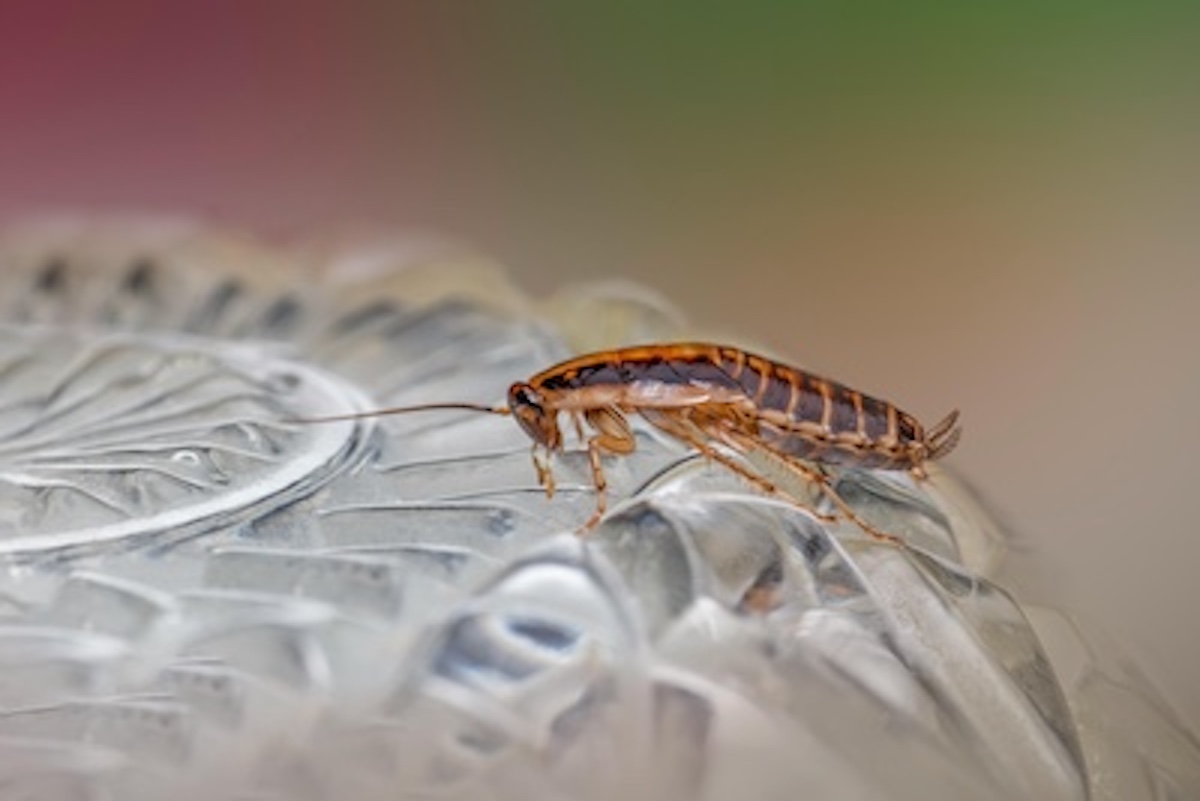
Cockroaches thrive in warm, humid areas and are known carriers of bacteria that can trigger allergies and asthma. These pests often hide behind appliances, under sinks, and inside walls. Because they reproduce quickly, professional intervention may be necessary to prevent a larger infestation.
Eco-Friendly Pest Control Methods That Work
The good news is that you don’t have to rely on toxic chemicals to keep pests under control. Eco-friendly pest control focuses on prevention, habitat modification, and natural or biological treatments that are safe for people, pets, and beneficial insects.
1. Prevention Is the First Line of Defense
Sealing entry points, repairing damaged screens, and maintaining proper landscaping all help keep pests out. Store food in airtight containers, clean up crumbs, and take out the trash regularly. Simple steps like trimming shrubs away from your home and elevating firewood can make a significant difference in reducing pest activity.
2. Manage Moisture and Drainage
Excess moisture attracts pests like cockroaches, silverfish, and ants. Check for leaky faucets, standing water, and poor drainage around your foundation. Running dehumidifiers and ensuring proper ventilation in bathrooms and basements can make your home less inviting to unwanted guests.
3. Natural Repellents and Barriers
Essential oils such as peppermint, cedarwood, eucalyptus, and lavender act as natural deterrents for insects and rodents. Spraying diluted mixtures around entry points or using sachets in cabinets can help repel pests. Diatomaceous earth, a natural, non-toxic powder, can also be used around baseboards and outdoor perimeters to keep crawling insects at bay.
4. Biological Control Methods
Biological pest control uses nature’s own mechanisms to restore balance. Beneficial insects like ladybugs, lacewings, and nematodes can help reduce populations of harmful pests outdoors. Encouraging birds and bats by installing houses or native plants can also contribute to long-term pest management without chemicals.
5. Regular Inspections and Maintenance
Even with preventive measures, pests can still find their way indoors. Regular inspections ensure that any potential problems are caught early before they escalate. Professional eco-friendly pest management services can identify risk factors and recommend customized, sustainable solutions for your home.
Pet- and Family-Safe Pest Management Practices
Traditional pest control products can contain toxins that linger on surfaces, posing risks to children and pets. Eco-friendly alternatives focus on safety while maintaining effectiveness.
Non-Toxic Treatments
Modern eco-conscious pest control options rely on targeted treatments that minimize harm to the environment. These solutions may include microbial agents, natural plant-based sprays, or mechanical traps that safely capture pests without leaving toxic residue.
Smart Application Techniques
Professional technicians trained in integrated pest management (IPM) use precise application methods to minimize exposure. Rather than blanket spraying, they treat specific problem areas and apply products only where necessary. This approach ensures maximum effectiveness with minimal environmental impact.
Education and Prevention
One of the biggest advantages of eco-friendly pest control is education. Professionals not only treat your home but also help you understand the conditions that attract pests. By changing habits, like storing pet food properly or keeping gutters clear, you can prevent reinfestations naturally.

The Environmental Impact of Chemical Pest Control
While chemical pesticides may seem effective, they can have lasting negative effects. Many synthetic compounds contaminate soil and waterways, harm beneficial pollinators like bees, and disrupt ecosystems.
Additionally, repeated use of chemical pesticides can lead to pest resistance, meaning treatments become less effective over time. Eco-friendly pest control helps break this cycle by focusing on long-term prevention and biological balance rather than quick, temporary fixes.
By choosing sustainable pest control methods, homeowners can protect their property while also reducing their ecological footprint.
Why Eco-Friendly Pest Control Is Worth the Investment
Eco-friendly pest management isn’t just safer – it’s also more cost-effective in the long run. Preventive and targeted methods reduce the need for repeat treatments, saving time and money.
Additionally, avoiding harsh chemicals helps preserve air quality and ensures a healthier home environment. For families with children, elderly residents, or pets, the peace of mind that comes with non-toxic pest control is invaluable.
Sustainable pest control also aligns with the growing trend of environmentally responsible living. Making eco-conscious choices today helps protect local wildlife and ecosystems for future generations.
Protect Your Home the Safe Way
At the end of the day, pest control should never come at the expense of your health or the environment. Eco-friendly pest management combines prevention, smart treatment, and environmental awareness to deliver long-lasting protection without compromise.
At Hagen Environmental, we specialize in safe, sustainable pest control solutions designed to protect your home, family, and pets. Our experts use environmentally responsible methods that target pests effectively while minimizing impact on your surroundings. From rodent control to year-round maintenance, we provide customized plans that keep your property pest-free the natural way.
If you’re ready to enjoy a healthier, cleaner, and more sustainable home, contact Hagen Environmental today. Together, we can protect what matters most – safely and responsibly.