Commercial Pest Control in 2026: What Businesses Need to Know
Commercial pest control in 2026 is more advanced, more strategic, and more essential than ever before. Changes in pest behavior, rising regulatory expectations, evolving customer standards, and growing demand for eco-friendly solutions have transformed how businesses must approach pest management.
Today, effective pest control is no longer reactive; it’s proactive, data-driven, and focused on long-term protection. For businesses across industries, maintaining a pest-free environment is critical to protecting people, property, and reputation.
Whether you operate a restaurant, office building, warehouse, retail space, healthcare facility, or multi-tenant property, understanding modern commercial pest control practices can help you stay compliant, reduce risk, and operate with confidence in 2026 and beyond.
Why Commercial Pest Control Is More Important Than Ever
Pests pose serious risks to businesses that go far beyond inconvenience. A single infestation can lead to operational disruptions, health concerns, regulatory issues, and lasting reputational damage.
- Health and safety risks: Rodents, cockroaches, flies, and other pests can carry bacteria and pathogens that contaminate surfaces, food, and products. In certain industries, this can put employees and customers at risk and lead to serious consequences.
- Property damage: Pests like rodents and termites can damage wiring, insulation, walls, and structural components. Over time, this damage can become costly and compromise building safety.
- Regulatory compliance: Many industries are subject to inspections and strict cleanliness standards. Pest activity can result in failed inspections, fines, or temporary closures.
- Reputation management: In the digital age, word travels fast. Pest sightings can quickly turn into negative reviews, social media posts, and loss of customer trust.
A proactive commercial pest control program helps businesses avoid these issues while maintaining a clean, professional environment.

Common Pest Challenges in Commercial Environments
Commercial properties face a wide range of pest pressures depending on their industry, layout, and daily operations. Some of the most common pest challenges include:
Rodents
Rats and mice are among the most damaging pests for commercial spaces. They contaminate food and inventory, chew through electrical wiring, and can cause significant structural damage. Rodent activity also increases fire risk and raises serious health concerns.
Cockroaches
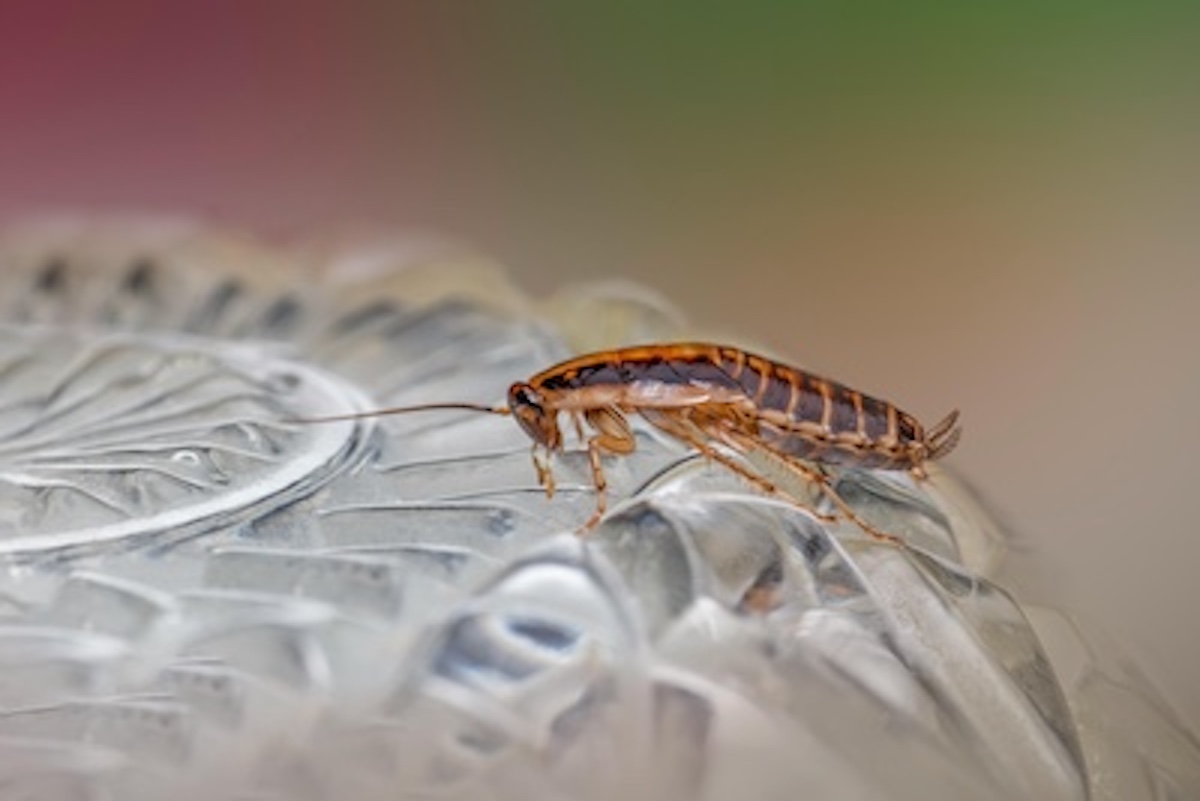
Cockroaches thrive in environments with food, moisture, and warmth. They reproduce quickly and are known to trigger allergies and asthma. In commercial kitchens, breakrooms, and restrooms, cockroaches are especially problematic.
Flies
House flies, drain flies, and fruit flies are common in food service environments, waste areas, and storage rooms. Flies spread bacteria and can quickly become a visible problem for customers and inspectors.
Ants
Ant infestations are common in offices, retail spaces, and food-related businesses. While some species are more of a nuisance, others can contaminate food, damage property, or deliver painful stings.
Termites and Wood-Destroying Organisms
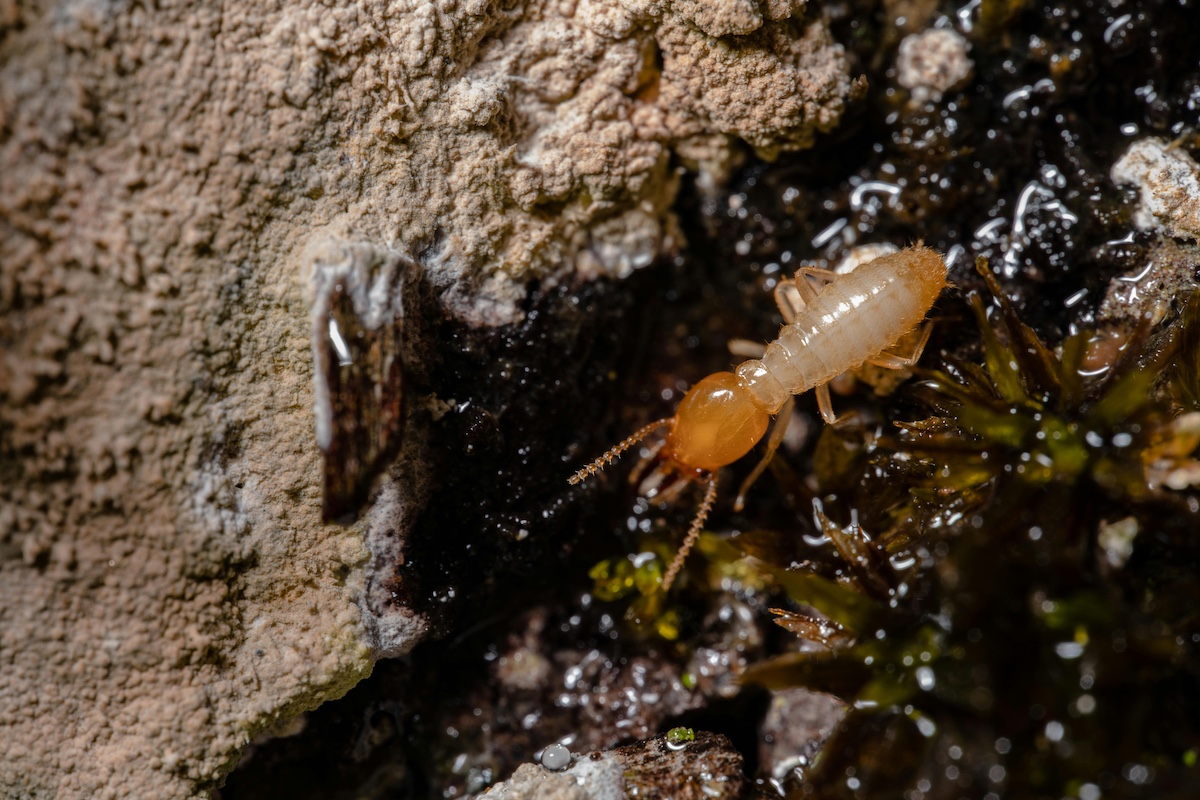
Termites and other wood-destroying insects can silently cause extensive damage to commercial structures. Infestations often go unnoticed until repairs become costly and disruptive.
Occasional Invaders
Spiders, beetles, and other seasonal pests may not pose serious health risks, but frequent sightings can still negatively impact customer perception and employee comfort.
Commercial Pest Control Trends Shaping 2026
The pest control industry continues to evolve, with new technologies and strategies redefining best practices. Businesses in 2026 are benefiting from smarter, safer, and more efficient pest management solutions.
Integrated Pest Management (IPM)
Integrated Pest Management has become the industry standard for commercial pest control. IPM focuses on prevention, monitoring, and targeted treatments rather than routine chemical applications. By addressing the root causes of infestations – such as entry points, sanitation issues, and moisture – IPM delivers long-term results while reducing chemical exposure.
Eco-Friendly and Low-Toxicity Solutions
Businesses and consumers alike are increasingly concerned about environmental impact and indoor air quality. Modern commercial pest control emphasizes eco-friendly products, targeted applications, and reduced reliance on harsh chemicals. These solutions protect people, pets, and sensitive environments while still delivering effective control.
Smart Monitoring and Digital Reporting
Technology plays a major role in commercial pest control in 2026. Smart traps, digital monitoring systems, and cloud-based reporting allow pest professionals to track activity in real time. These tools improve response times, reduce unnecessary treatments, and provide detailed documentation for audits and inspections.
Predictive and Preventive Planning
Using historical data, seasonal trends, and environmental conditions, pest control professionals can predict potential outbreaks before they happen. This proactive approach minimizes disruptions and allows businesses to stay ahead of pest pressures rather than reacting after problems arise.
Customized Service Plans
No two commercial properties are the same. Pest control plans in 2026 are tailored to each facility’s unique layout, industry requirements, and risk factors. Customized strategies ensure effective coverage without unnecessary treatments.
Practical Pest Control Strategies for Businesses
A successful commercial pest control program combines prevention, monitoring, and targeted action. Key strategies include:
Routine Inspections and Monitoring
Regular inspections help identify early signs of pest activity and potential entry points. Ongoing monitoring ensures that small issues are addressed before they become costly infestations.
Consistent inspections also allow trends to be tracked over time, helping pest control professionals anticipate seasonal or recurring issues. This proactive visibility reduces the likelihood of surprise infestations that can disrupt daily operations.
Exclusion and Structural Maintenance
Sealing cracks, installing door sweeps, repairing screens, and closing gaps around utilities significantly reduce pest access. Structural exclusion is one of the most effective long-term prevention strategies available.
Routine maintenance not only deters pests but also improves overall building efficiency and safety. Addressing small structural vulnerabilities early can prevent more extensive repairs later.
Sanitation and Waste Management
Proper sanitation is critical, especially in food service and shared spaces. Removing food debris, managing waste properly, and maintaining clean storage areas help eliminate attractants that draw pests indoors.
Clear sanitation protocols also support compliance with health and safety standards. When sanitation and pest control efforts work together, infestations become far less likely.
Targeted Treatments and Baiting
Rather than broad spraying, modern pest control relies on targeted baits, traps, and treatments placed in strategic locations. This approach improves effectiveness while minimizing environmental impact.
Targeted applications also reduce unnecessary exposure for employees and customers. Precision treatments allow pest control programs to be both safer and more efficient.
Landscaping and Exterior Maintenance
Overgrown vegetation, standing water, and poor drainage can attract pests. Maintaining exterior areas helps prevent pests from migrating indoors.
Routine exterior upkeep creates a buffer zone that makes buildings less appealing to pests. Well-maintained landscapes also improve curb appeal and overall property value.
Employee Education
Employees are often the first to notice signs of pest activity. Training staff to recognize warning signs and report issues quickly strengthens overall pest prevention efforts.
When employees understand their role in pest prevention, response times improve significantly. This shared responsibility helps maintain a cleaner, safer work environment for everyone.

Compliance and Risk Management
Commercial pest control plays a critical role in regulatory compliance and risk management. Many industries are required to maintain documented pest control programs and demonstrate ongoing prevention efforts.
Digital service records, inspection logs, and treatment reports help businesses stay organized and prepared for inspections. Working with a professional pest control provider ensures that services align with industry standards and local regulations.
Choosing the Right Commercial Pest Control Partner
In 2026, pest control is a partnership – not just a service call. When selecting a provider, businesses should look for:
- Proven experience with commercial properties
- Customized treatment plans tailored to their industry
- Eco-friendly and low-impact solutions
- Advanced monitoring and reporting tools
- Clear communication and documentation
A knowledgeable partner helps businesses stay compliant, protect their reputation, and maintain a safe environment year-round.
Protect Your Business with Smarter Pest Control
Commercial pest control in 2026 is about prevention, precision, and sustainability. Businesses that invest in proactive pest management reduce risk, protect their assets, and create healthier environments for employees and customers alike.
At Hagen Environmental, we provide commercial pest control solutions designed to meet the evolving needs of today’s businesses. Our team focuses on prevention-first strategies, eco-conscious treatments, and customized plans that align with your facility’s operations and compliance requirements.
From routine monitoring to targeted interventions, we help businesses maintain pest-free environments without unnecessary disruption. If you’re looking to strengthen your commercial pest control strategy and prepare for the challenges ahead, Hagen Environmental is here to help.
Reach out today to learn how a proactive, environmentally responsible approach can protect your business now and into the future!