Common Pest Control Myths Debunked: What Really Works
Pests don’t just show up – they exploit gaps in our homes, habits, and landscapes. And when they do, the internet, big-box shelves, and well-meaning neighbors rush in with advice that ranges from outdated to downright risky. The result: wasted money, lingering infestations, and unnecessary exposure to harsh chemicals.
At Hagen Environmental, we take a science-first, eco-conscious approach that prioritizes prevention, precision, and safety.
Below, we debunk some of the most common pest control myths and share what actually works to keep your home, business, or community space protected – without compromising people, pets, or the environment.
Myth #1: “If I don’t see pests, I don’t have a problem.”
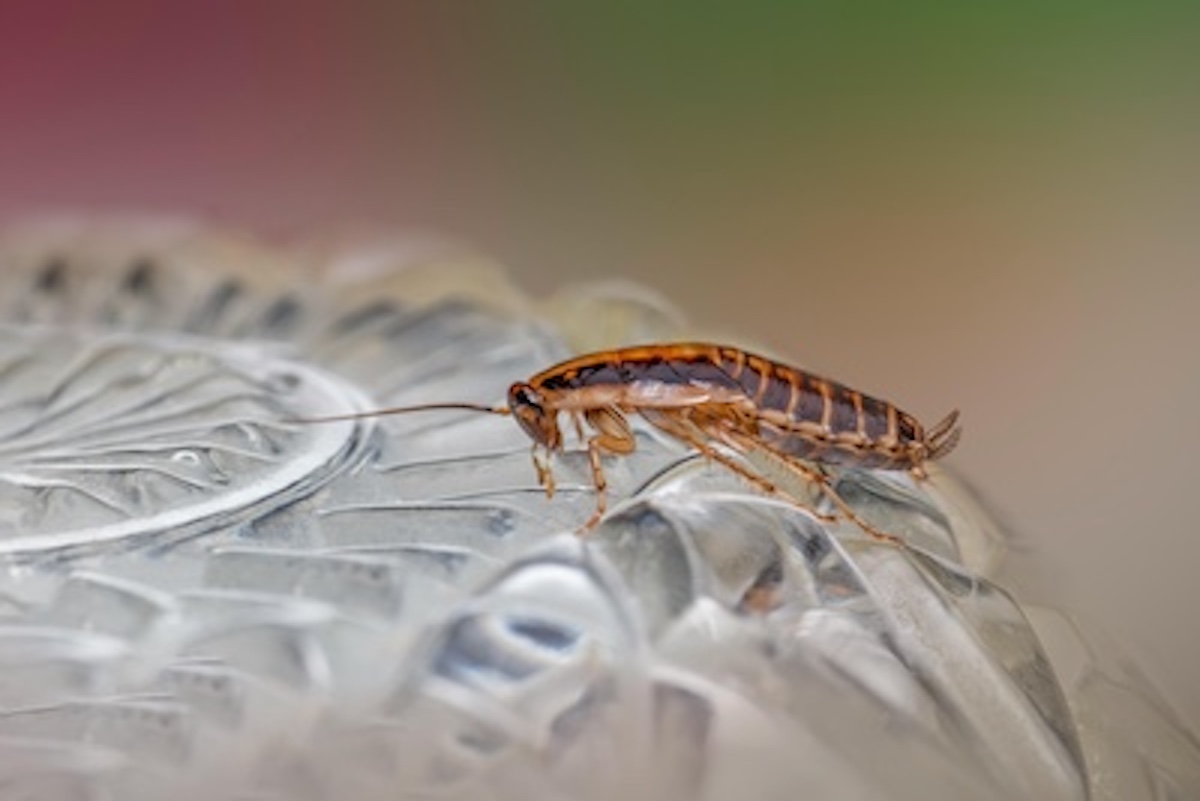
Reality: Many infestations stay hidden for weeks or months. Termites and carpenter ants tunnel within walls and joists. Rodents travel behind appliances and through attic voids. Even cockroaches can remain out of sight while contaminating food and surfaces at night.
What works: Routine inspections and monitoring. Sticky traps, bait stations, and targeted visual checks in high-risk areas (kitchens, basements, crawl spaces, utility penetrations) reveal activity early – before damage, spread, or health risks escalate. Preventive service schedules cost far less than large-scale remediation.
Myth #2: “More pesticide means faster results.”
Reality: Overapplication is dangerous and counterproductive. Using too much product can drive pests deeper into structures, disrupt natural predators, and increase chemical exposure for people and pets. It can also contribute to resistance, making future control harder.
What works: Integrated Pest Management (IPM). Start with identification, then use the least-toxic, most targeted control for the specific pest and life stage. Focus on exclusion (sealing entry points), sanitation (removing food and moisture sources), and habitat modification first; deploy treatments precisely and only where necessary.
Myth #3: “Natural or ‘organic’ always means safe.”
Reality: “Natural” isn’t a safety guarantee. Essential oils and plant-derived products can be effective, but they also need correct dilution, placement, and timing. Misused, they can irritate skin or airways and still harm beneficial insects.
What works: Evidence-based, eco-friendly solutions applied by trained professionals. Botanically derived products, biological controls (like targeted microbial larvicides for mosquitoes), and mechanical methods (traps, exclusion materials) work best when part of a plan that considers pest biology, seasonality, and your property’s unique conditions.
Myth #4: “Ultrasonic repellents will keep everything away.”
Reality: Consumer ultrasonic devices have an inconsistent, often minimal impact. Pests quickly habituate or simply avoid the immediate area, shifting the problem rather than solving it.
What works: Physical exclusion and habitat correction. Seal gaps larger than a pencil (for rodents), install door sweeps, screen vents, and fix foundation cracks. Outdoors, reduce clutter, trim vegetation away from structures, and address drainage issues that attract insects and rodents.
Myth #5: “Clean homes don’t get pests.”
Reality: Cleanliness helps, but it isn’t a force field. Seasonal migrators (like spiders and stink bugs), moisture-seeking pests (silverfish, springtails), and opportunists (mice in winter) can invade even immaculate homes if there are entry points or conducive conditions nearby.
What works: Combine good sanitation with structural maintenance. Store food in sealed containers, manage indoor humidity (aim for 30–50%), repair leaks promptly, and use weather-tight door thresholds. Pair these steps with periodic inspections to catch early signs.

Myth #6: “DIY foggers (‘bug bombs’) will wipe out infestations.”
Reality: Foggers rarely reach harborages deep inside walls, under appliances, or inside cabinet voids. They can scatter pests, contaminate surfaces, and pose respiratory risks when improperly used. Most labels prohibit use in small, unventilated spaces – exactly where many pests hide.
What works: Targeted treatments and access. Gels, baits, crack-and-crevice applications, and dusts placed in voids by professionals are far more effective and use far less material. Coupled with sanitation and exclusion, they solve the root cause rather than creating bounce-back infestations.
Myth #7: “Cheese is the best mouse bait.”
Reality: Mice prefer high-calorie, aromatic foods like peanut butter or chocolate spreads. Even then, bait placement and trap strategy matter far more than the bait itself.
What works: Strategy, not guesswork. Place multiple traps perpendicular to walls (triggers toward the wall) along runways, behind appliances, and near gnaw points. Wear gloves to reduce human scent. For larger problems, combine trapping with sealing entry points and reducing exterior attractants (bird seed spills, open compost).
Myth #8: “Spraying the yard once eliminates mosquitoes all season.”
Reality: Mosquito pressure changes with weather, standing water, and species present. A single treatment – especially if purely knockdown – won’t prevent new hatch-outs after rainfall or migration from neighboring properties.
What works: Source reduction plus targeted control. Empty or treat standing water (even bottle caps can breed larvae), clear clogged gutters, and refresh birdbaths frequently.
Use biological larvicides in unavoidable water features and improve airflow with fans on patios. Combine these steps with well-timed, low-impact perimeter treatments to maintain results.
Myth #9: “Termites are a Southern problem only.”
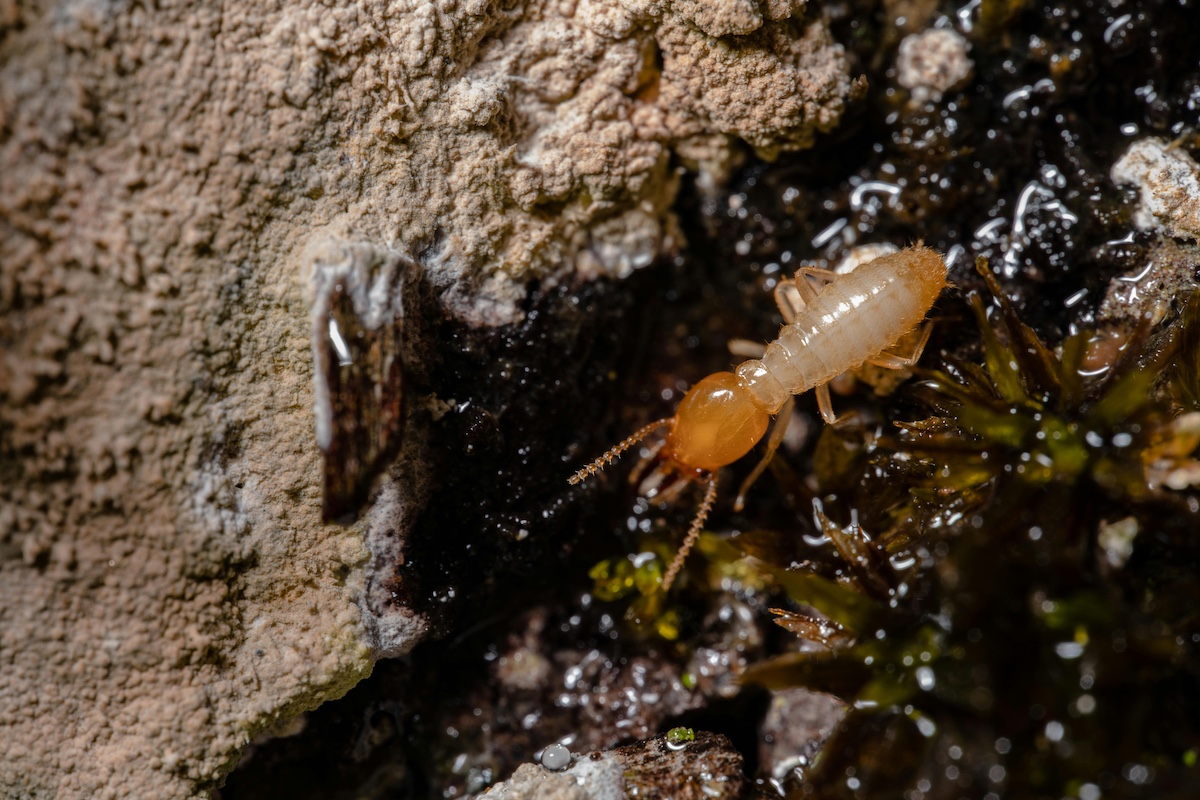
Reality: Multiple termite species exist across much of the U.S., including subterranean and drywood termites. They thrive wherever there’s moisture, cellulose (wood), and access.
What works: Vigilance and moisture management. Keep wood and mulch away from the foundation, repair grade issues and leaks, and ensure downspouts move water away from the home. Professional monitoring and, when needed, targeted soil or baiting systems provide ongoing protection.
Myth #10: “If pests are outside, they’ll stay outside.”
Reality: Exterior habitats act as launchpads. Dense foundation plantings, stacked firewood, and debris close to structures encourage ants, roaches, spiders, and rodents. Seasonal changes push them indoors seeking warmth, food, or shelter.
What works: A clean perimeter. Maintain a vegetation gap of 12–18 inches around the foundation, elevate and cover firewood, secure trash, and keep exterior lighting insect-smart (consider warm-spectrum LEDs). An exterior service program intercepts pests before they cross the threshold.
Myth #11: “One product works for every pest.”
Reality: Pests differ greatly in biology, behavior, and vulnerabilities. What works on odorous house ants won’t necessarily affect carpenter ants; bed bug tactics differ from flea protocols; stored-product beetles need a totally different plan than pantry moths.
What works: Correct ID, targeted tactics. Effective programs start with identification, then tailor control to the species and life stage – often using a combination of non-chemical and low-impact treatments.
Myth #12: “Once treated, I’m done.”
Reality: Pest pressure is dynamic. Weather, nearby construction, landscaping changes, and occupant habits continually alter risk. One-time treatments can solve an immediate issue but won’t prevent new introductions or seasonal shifts.
What works: Ongoing prevention. Scheduled inspections, seasonally adjusted exterior barriers, monitoring devices, and quick response to early signs keep populations low and reduce the need for reactive, heavy-handed treatments.
What Actually Works: A Practical, Eco-Smart Game Plan
1) Inspect and identify. Start with the “why” and “where.” Look for moisture sources, food access, harborage, and structural gaps. Confirm the species – control depends on it.
2) Exclude and correct. Seal entry points; fix screens, thresholds, and vent covers; manage humidity; repair leaks; declutter storage; trim vegetation away from structures.
3) Sanitation and habitat changes. Store food tightly, clean grease and crumbs, rotate pantry goods, and manage waste. Outside, improve drainage, elevate firewood, and thin dense plantings around the foundation.
4) Targeted control, minimally applied. Use baits, traps, or low-impact products precisely where pests live and travel. For mosquitoes, focus on larval sources and airflow; for rodents, pair trapping with exclusion; for ants and roaches, emphasize sanitation and gel baits rather than broadcast sprays.
5) Monitor and adapt. Place monitors, check periodically, and adjust with the seasons. Prevention is a process, not a single event.
This integrated approach protects your property while minimizing risk to people, pets, pollinators, and local ecosystems.

Why Partner with a Professional?
- Accurate ID & strategy: Trained technicians know species, life cycles, and the most effective, least-toxic control methods.
- Less product, more precision: Professional tools and placement reduce total material and maximize impact.
- Seasonal planning: Services anticipate pest cycles rather than chasing outbreaks.
- Documentation & peace of mind: Records, recommendations, and monitoring keep you informed and protected year-round.
A Pest-Free Home is Within Reach!
When it comes to pest control, separating fact from fiction is essential for keeping your home safe, healthy, and pest-free. Falling for common myths can waste time, money, and even put your family at risk. By relying on proven, eco-friendly strategies, you ensure effective results without harming your health or the environment.
At Hagen Environmental, we’re dedicated to providing safe, sustainable solutions that truly work. If you’re ready to protect your home with reliable, non-toxic pest control, reach out to our team today for a customized plan that gives you peace of mind.