Spring Pest Preview: Termite Swarm Season and What That Means for Your Home
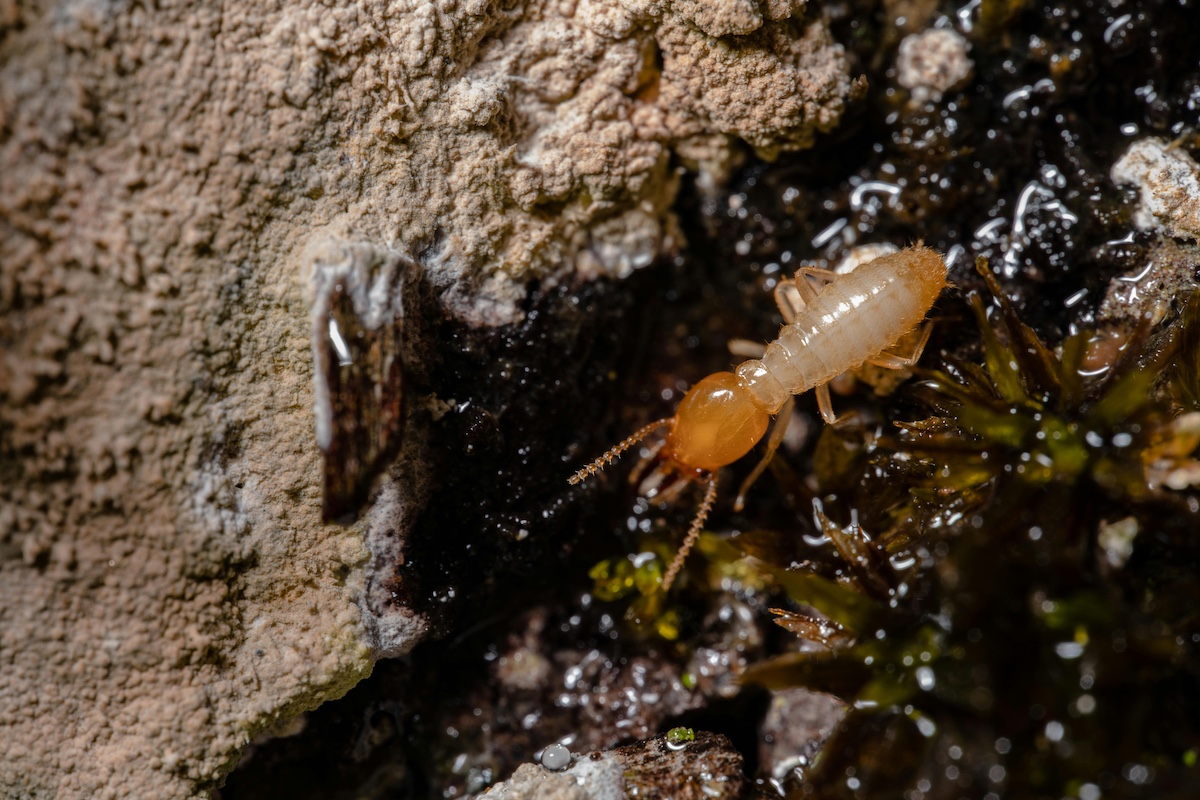
As spring approaches, homeowners may begin noticing small winged insects appearing around windows, doors, or outdoor lights. While these insects are sometimes mistaken for flying ants, they may actually be termite swarmers — a sign that termite colonies nearby are entering their reproductive stage.
Termite swarm season is an important time for homeowners to stay alert. Swarming termites are often the first visible indication that a colony is active in the area or potentially within a structure.
Because termites can cause serious structural damage over time, recognizing early warning signs and understanding how professional pest control works can help protect your property before costly repairs become necessary.
What Is a Termite Swarm?
A termite swarm occurs when a mature termite colony produces winged reproductive termites, often called swarmers or alates. These insects leave their colony to mate and establish new colonies nearby. Swarms typically happen when environmental conditions are favorable, such as warm temperatures and increased humidity in early spring.
During a swarm, hundreds or even thousands of winged termites may emerge at once. Their goal is simple: find a suitable location to start a new colony. Once they land, the termites shed their wings and begin the process of creating a new nest, which may occur in soil near your home or inside wooden structures.
While swarms themselves are relatively short-lived, they are an important warning sign that termite activity exists nearby. Ignoring this signal can allow colonies to grow undetected for years.

Why Spring Is Peak Termite Activity
Termites remain active year-round in warm climates, but spring often marks the beginning of their reproductive season. Warmer weather, seasonal rainfall, and rising humidity create ideal conditions for swarming.
Several factors contribute to increased termite activity during this time of year:
Temperature Changes
Warmer temperatures stimulate termite colonies and encourage reproductive activity. As soil temperatures rise, colonies become more active, and swarmers begin emerging to start new colonies.
Moisture Levels
Termites rely on moisture to survive. Increased humidity and spring rains create favorable conditions for termites to travel, build mud tubes, and search for food sources.
Food Availability
Termites feed primarily on cellulose found in wood and other plant-based materials. Wooden structures, fencing, landscaping materials, and even cardboard stored in garages can attract termites searching for food.
Because termite colonies can grow rapidly once established, early detection during swarm season is critical for protecting your home.
Signs of Termite Activity Around Your Home
Many homeowners don’t realize they have termites until damage has already occurred. However, several warning signs may indicate termite activity:
Swarming Termites
Seeing winged termites indoors or around windows is often the first visible sign of a nearby colony.
Discarded Wings
After swarming, termites shed their wings. Small piles of wings near windowsills, doors, or light fixtures can indicate that termites have recently swarmed inside or around your home.
Mud Tubes
Subterranean termites build pencil-sized mud tubes along walls, foundations, or crawl spaces to protect themselves while traveling between their nest and food sources.
Hollow or Damaged Wood
Termites consume wood from the inside out. Wood that sounds hollow when tapped or shows blistering paint or small holes may indicate termite damage.
Termite Droppings
In some cases, homeowners may find small pellet-like droppings near wooden structures, which are signs of termite activity.
If you notice any of these warning signs, it’s important to schedule a professional inspection as soon as possible.

Why Termites Are Such a Serious Threat
Termites are among the most destructive pests homeowners can face. Unlike other insects that create visible damage quickly, termites work quietly and often remain hidden inside walls, floors, or foundations.
A single termite colony may contain thousands — or even millions — of termites working together to consume wood and other cellulose materials. Over time, this feeding activity can weaken structural components such as:
- Floor joists
- Wall studs
- Wooden beams
- Decks and porches
- Fencing and outdoor structures
Because termite damage occurs gradually and out of sight, infestations may go unnoticed until significant structural issues arise. This is why proactive termite control and regular inspections are essential for long-term home protection.
How Professional Termite Control Works
Effective termite management requires more than simply spraying visible pests. Professional termite control focuses on eliminating active colonies while preventing new infestations from developing.
At Hagen Environmental, termite control begins with a thorough inspection of your property to identify termite species, colony activity, and potential risk areas. Trained technicians evaluate structural features, moisture conditions, and entry points that may allow termites to access your home.
From there, pest control professionals develop a customized treatment plan tailored to the specific needs of your property. Rather than relying on one-size-fits-all solutions, targeted strategies ensure termites are eliminated effectively while minimizing environmental impact.
Hagen Environmental emphasizes environmentally responsible pest management methods that protect families, pets, and surrounding ecosystems while still delivering powerful termite control solutions.
Common Termite Treatment and Prevention Strategies
Professional termite control typically combines several techniques to eliminate colonies and protect your home long-term.
Soil Treatments and Protective Barriers
One of the most common termite treatments involves applying specialized products around the foundation of a structure. These treatments create a protective barrier that termites cannot cross, preventing them from entering the home.
Targeted Baiting Systems
Termite bait stations are placed strategically around the perimeter of a property. Termites consume the bait and carry it back to the colony, gradually eliminating the entire population.
Structural Inspections and Monitoring
Routine inspections allow pest control professionals to detect termite activity early. Monitoring systems placed around the home can alert technicians to changes in termite behavior or activity levels.
Exclusion and Moisture Management
Reducing termite access points and removing favorable conditions is a key part of long-term prevention. This may include sealing structural gaps, addressing drainage issues, and reducing wood-to-soil contact around the home.
Together, these strategies create a comprehensive termite management plan that protects your home from future infestations.
What Homeowners Can Do to Reduce Termite Risk
While professional pest control plays a critical role in termite prevention, homeowners can take several steps to reduce the likelihood of infestations.
Reduce Moisture Around Home
Fix leaks, improve drainage, and keep gutters clean to minimize moisture buildup near your foundation.
Limit Wood-to-Soil Contact
Avoid direct contact between soil and wooden structures such as siding, decks, or fencing.
Store Wood Properly
Keep firewood, lumber, and cardboard away from your home’s exterior walls.
Maintain Landscaping Carefully
Trim vegetation and keep mulch from piling against your home’s foundation, as these areas can provide ideal shelter for termites.
Schedule Regular Inspections
Annual termite inspections help detect early signs of activity before serious damage occurs.
Taking these preventive steps can significantly reduce the chances of termites establishing colonies around your property.
Why Early Detection Matters
One of the biggest challenges with termite infestations is how quietly they develop. By the time visible damage appears, termites may have already been feeding on structural wood for months or even years.
Termite swarm season provides an opportunity to identify activity early. If homeowners notice swarmers, wings, or other warning signs, scheduling a professional inspection immediately can help stop an infestation before it grows.
Early detection not only protects your home’s structural integrity but can also prevent costly repairs that often accompany long-term termite damage.
Protect Your Home Before Termites Move In
Spring termite swarms are a natural part of the termite life cycle, but they also serve as a reminder that proactive pest management is essential for homeowners. Identifying swarm activity early and addressing termite risks quickly can make a major difference in protecting your home.
Schedule a Professional Termite Inspection
At Hagen Environmental, we specialize in eco-friendly termite control solutions designed to eliminate colonies and prevent future infestations. Our trained technicians conduct thorough inspections, identify risk factors, and create customized treatment plans tailored to your property’s needs.
By combining advanced pest control technology with environmentally responsible methods, Hagen Environmental helps homeowners protect their homes, families, and investments from destructive termites.
If you’re seeing signs of termite activity this spring — or simply want peace of mind — contact Hagen Environmental today to schedule a professional termite inspection and stay one step ahead of swarm season.